
How Chew Treats Help Improve Your Dog’s Dental Health Naturally
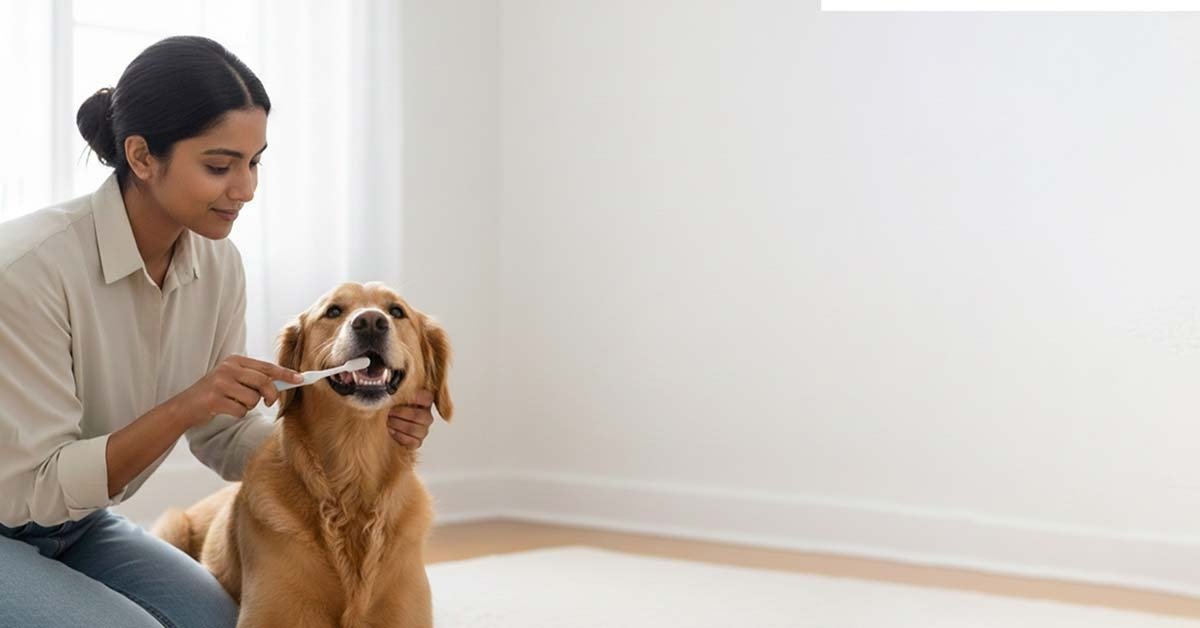
Maintaining a clean mouth is about much more than keeping your dog’s breath fresh. Sturdy teeth, healthy gums and a balanced oral routine contribute to attitude, happiness and longevity for your best friend. With the growing awareness about natural healing for dogs, many pet owners are looking into how they can help dental health in a more natural way and one of the most simple ways possible is with a chew treats.
Chewing is a natural behavior for dogs, and when channeled appropriately can also increase dental health. In the following comprehensive guide, we’ll cover common dog dental problems, how dogs benefit from chewing food and treats for strong teeth and healthy gums, the differences between soft chews versus hard chews as well as practical daily dental care that you can implement yourself at home.
Common Dog Dental Issues Explained
Tooth problems are the most neglected health complication of dogs. By the time they are three, many dogs display evidence of oral disease, though on the surface, everything seems A-OK. The typical issues can be small to begin with, but they have the potential to become worse if not taken care of right away.
It’s that accumulation of plaque that frequently first arises. The teeth are coated with plaque that attracts food particles and bacteria. If it is not brushed away, it ossifies into tartar, which can irritate the gums. This in turn causes gingivitis, red, inflamed gums that may bleed. Untreated gum inflammation, over time, can lead to periodontal disease, a painful condition that can lead to tooth loss and even affect the heart, liver and kidneys.
Early warning signs are also bad breath. Although dog breath is commonly regarded as naturally disagreeable, chronic odor can indicate bacterial buildup. Dogs can also exhibit mild symptoms, such as trouble chewing or pawing at the mouth, and they may refuse hard foods. These signs are easy to overlook, underscoring the importance of preventive care.
Regular trips to the vet are important, but daily habits at home are what really save your dog’s teeth in the long run.
The Importance of Chewing for Teeth and Gums
Chewing is one of the easiest ways for dogs to exercise their teeth and gums. The movement of the chew when your dog gnaws on it creates gentle friction against the teeth. This mechanical action will help rub the soft plaque out of their teeth before it can become hard and turn into tough tartar, which then makes chewing an easy way to dog plaque control.
In addition to cleaning the teeth, chewing also exercises the gums. Healthy gum exercise increases blood flow, which helps the tissue holding your teeth remain healthy. Health z Gums are less likely to become inflamed or infected and more resilient which means fewer dental problems.
There are other benefits to dogs for chewing as well as oral care. The act of licking itself releases endorphins, which can help a dog calm down and relieve stress. This is also great for puppies who are teething or dogs that are anxious and bore. A more relaxed dog is less likely to be a chronic chewer around the house.
When you provide dental chews made with texture and firmness in mind, you’re not only combining mental enrichment with physical health benefits — it’s the perfect daily routine for dogs of all ages.
What is the Difference between Soft and Hard Chews?
Selecting the right chew is as critical as having a chew at all. We know that not all of chews work the same, and it can be difficult to make the right selection so your pup won’t destroy their toys, or even worse, choke!
Soft chews are easy for teeth and gums. They’re great for puppies, older dogs or pets with sensitive mouths. Although not quite as hard-core plaque scrapers as more rigid toys, they still promote chewing and its accompanying saliva production, which can help naturally clear the mouth of bacteria. Soft chews are also more digestible and lessen the chance of tooth fractures.
While hard chews offer a tougher, more intense plaque removal. Their hard texture provides increased friction, which may be beneficial for dogs with healthy teeth and strong jaw muscles. But very hard chews also run risks, cracked teeth, gum damage or (gasp) broken jaws if it’s harder than your dog’s teeth.
The best approach is balance. A lot of vets say something firm but pliable, strong enough to clean, not so brittle that they’re going to shatter as they try to eat it. Ridged or grooved oral chews comprising natural ingredients often achieve this balance.
For instance, dental-care-friendly chews such as DoggyJi chew treats are made to promote chewing in mind with safety and digestibility so they are fit for normal use by selecting according to your dog’s size and age.
Daily Dog Dental Care Ideas
Chews Best results are achieved in conjunction with a simple daily routine. You don’t need a complicated system, just commitment and perspective.
Start with brushing whenever possible. Brushing with a dog-safe toothbrush and toothpaste twice or three times a week will go far to minimize plaque. Even if your dog resists initially, with time and gentle training and positive reinforcement, brushing does become easier.
Toss dental chews into your dog’s routine after meals or during some quiet time. This also helps eliminate leftover food particles and provides a healthy activity for your dog. You can rotate various textures so things stay interesting and effective.
Pay attention to diet. Crunchy kibble compound scrape plaque more than chewy food, and natural treats without added chemicals are gentler on the teeth and gums. Moderate treats once in a while like DoggyJi chicken all biscuit can be included in a balanced diet.
Always have fresh water available; hydration helps produce saliva, which naturally cleans the mouth. At home, check your dog’s teeth and gums often for redness, swelling or any unusual odor. There is no point waiting until bigger problems arise.
Choosing Dental-Friendly Treats Wisely
All treats are not created equal. When it comes to choosing bite or snacks, be on the lookout for these items that have simple, recognizable ingredients and don’t contain excessive sugars or artificial flavors. Even texture is important: Treats should inspire the surgeon to bite, not crumble to nothing immediately.
Dogs with sensitivities may also benefit from plant-based options. Assorted doggy ji vegan biscuits and ragi shots and even snacks can keep your dog’s oral health well without sacrificing the bite they love when chosen wisely for your dog’s size, activity level, and special needs.
Portion control is key. Treats, even if healthful, should complement meals, not replace them. When used properly, Bite transform into an active part of your oral care routine as opposed to a sporadic treat.
Frequently Asked Questions (FAQs)
- How many dental chews a day should I give my dog?
The majority of dogs can safely have dental bite every day (depends on size, age and health). - Are bite treats a substitute for brushing altogether?
No. bite help with oral hygiene, but should be used with brushing and regular vet checkups for best results. - Can puppies have dental bite ?
Yes, but they need to be soft bite and specifically for puppies and teething dogs. - How can I tell if my dog is having dental problems?
Common signs include halitosis, gingival swelling, difficulty chewing, drooling or rubbing at the mouth. - Do natural bite really help to get rid of your dogs plaque?
Yes. biting stimulates friction, which can help to reduce plaque build up naturally. - At what point do I need to take my pet in for professional dental care?
You should have annual dental exams, or sooner if they experience pain, bleeding gums or tooth damage.