
Common Dog Food Beliefs That Are Secretly Harming Indian Pets
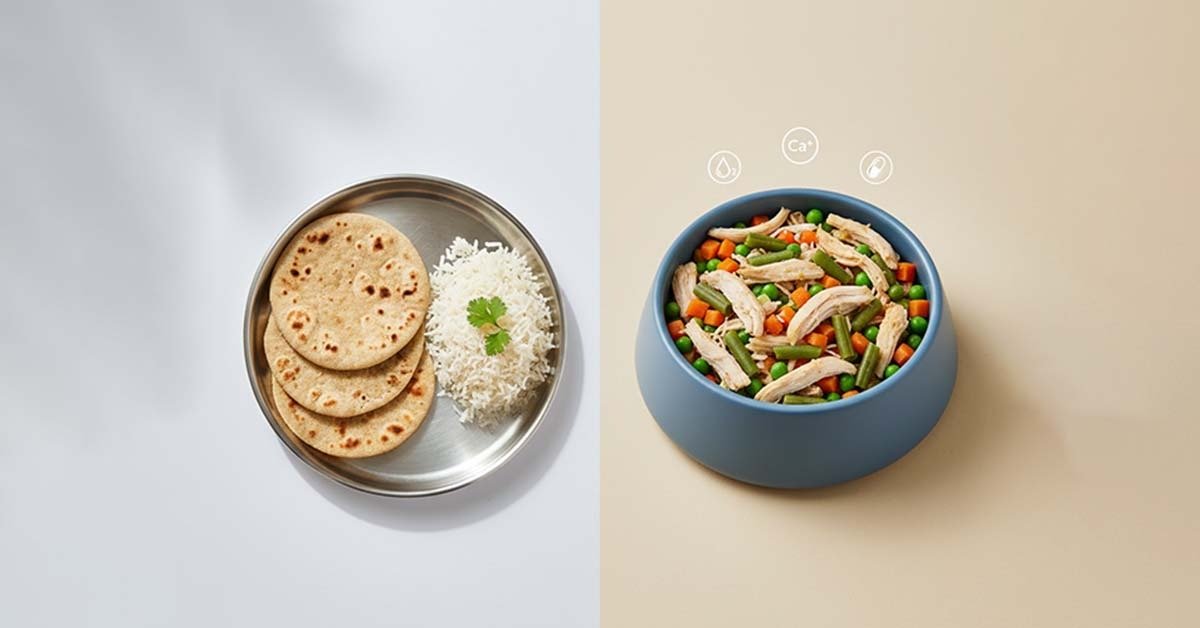
Dog food choices can impact your pet’s health more than you think. Many Indian pet owners unknowingly make feeding mistakes that harm their dogs every day.
Why Second-Guess Indian Dog Feeding Habits?
India has always had more dogs than it knows what to do with, yet for most of their history. But many dog owners in the country have not learned enough about what they feed them from vets, but instead have relied on family norms and local wisdom gleaned through trials and errors. With pet populations on the rise in Indian cities and towns, is important to sort myths from reality in terms of dog food in India.
In fact, a lot of the conventional wisdom about what not to feed dogs is out of date or plain wrong. And some of them are causing real harm. Let’s look at the biggest dog food myths in India.
Myth 1: Roti and rice are fine for dogs.
Most likely, this is the belief found in most Indian homes. Whatever’s been left over from lunch or dinner goes to the family dog, maybe roti soaked in dal or leftover rice, sometimes even spicy sabzi. It’s intuitive since that is what we eat, so why wouldn’t it be right for them?
Here’s the problem. A dog’s nutritional needs are completely different from your own. Plain rice or a piece of roti now and then will not harm your dog, but if it becomes its staple diet, it means they are not getting just the right amount of protein, fat, vitamins and minerals that they should be consuming for good health. It is this kind of diet that makes your dog’s coat dull, and his bones weak along with fatigue and digestion problems. Many of the dogs that are on a home-made Indian diet are not necessarily eating wrong, but they’re not eating well enough.
If you do decide to feed home food, it needs to be carefully planned with the help of a vet, not simply table scraps.
Myth 2 – Kibble (Dry Dog Food) Is Unhealthy, Or is “Plastic Food”
Indian pet owners are increasingly suspicious that packaged dog food, especially kibble, is somehow fake or wrong. People make the assumption that if it is a small stone-like thing in a bag, it can’t be real nutrition.
This is one of the great kibble myths. High-quality dry dog food is a product that has been scientifically designed to provide all the nutrients a dog needs every day. It has a good amount of protein and a (healthy) fat-to-carb ratio. Actually, consistently feeding a trusted brand of kibble is frequently more nutritionally balanced than an accidentally imbalanced homemade meal.
The trick is to pick the right brand, check the label and search for ones in which meat or chicken are named as leading ingredients, not corn or unidentified meat meal. Read the label. Good kibble is not junk food. In fact, it can be one of the healthiest, and easiest, decisions you make for your furry friend.
Myth 3: Milk Is Good for Dogs
In India, giving a bowl of milk to dogs seems like a loving gesture. It’s nourishing, it’s old hat, and we’ve all seen it in movies and cartoons forever. But here’s a little-known fact: Most adult dogs are lactose intolerant.
This is because their bodies can’t properly break down the sugar in milk. The result? loose motion, stomach pain, and uneasiness. A puppy can tolerate small amounts more easily, but there are still no good reasons to do so. The best drink for your dog, any time, is plain water. Dog-safe treats are available if you want to give something special, milk doesn’t have to be one of them.
Myth 4: Since Raw Meat Is “Natural,” It’s Always Better
Raw dog food experienced somewhat of a popularity boost in recent times, and whilst there are definite benefits to both you and your pets if this diet is monitored well. Feeding raw food does come with some serious dangers which many people tend to overlook.
Raw chicken bones, for instance, can splinter and lead to internal damage. Raw meat can contain bacteria such as Salmonella that not only sicken your dog, but also spread to you and your family. Consumption of raw meat, especially when animal husbandry and hygiene practices vary widely, may be dangerous if not properly informed.
A raw diet can also be effective, but it must be carefully planned, with the proper cuts, not weight-bearing bones, clean sourcing and at times added supplements. Raw food isn’t better just because it sounds natural. Consult a vet first and know what you are getting into.
Myth 5: It’s safe for dogs to eat anything people eat -they have stronger stomachs
FACT: Not necessarily true!
A lot of folks think dogs were designed to eat anything. They see street dogs thriving on garbage and assume that every dog will be able to digest any food. But survival isn’t the same as thriving.
Here are a few frequent human foods that can be toxic for dogs. Onions and garlic, which appear in nearly every Indian diet, are toxic to dogs and damage their red blood cells over time. Grapes and raisins can lead to kidney failure. Chocolate is dangerous. Even too much salt is harmful.
For as tasty as Indian food is, many ingredients in Indian cooking are not safe for dogs. It might seem kind to share your biryani or curry with your dog, but it is doing quite a harm.
Myth 6: A Fat Dog is a Healthy Dog
If your dog has rolled over or packed a few new pounds onto his waistline, consider changing up dinner for him.
Many Indian families consider a chubby pet to be the mark of good care and love. If the dog is plump and well fed, the owner must be doing something right, or that’s what logic would seem to dictate.
But it leads to the same problems in dogs that it does in humans: joint pain, diabetes, difficulty breathing and a shorter life. You should be able to see a waist when you look at your dog from above, and feel his or her ribs without pushing through their skin. If your dog simply looks thick all over but doesn’t walk as quickly as she used to, it’s probably time for a conversation with the vet about portion control and perhaps getting her on an appropriate diet.
What a Healthy Dog Diet in India Really Looks Like
A healthy dog diet, be it kibble, home-cooked or a combination of both, should include good quality protein (such as chicken, fish and eggs), healthy carbohydrates in moderation, adequate vitamins and minerals. Size matters when you’re portioning for the dog’s weight, age and exercise routine. Only fresh water should be provided.
The one best thing you can do? Develop a relationship with a good vet and ask her to look at what you’re feeding your dog. It doesn’t need to be expensive or intricate, it just needs to be correct.
FAQs
Q1: Is kibble safe for Indian dogs?
Yes, kibble that is of high quality is safe and nutritionally sufficient like treats from Doggy Ji.
Q2: Why does my dog have a loose motion after having milk?
They can’t process milk Just like many humans, most adult dogs are lactose intolerant. This causes digestive upset. While it’s fine in moderation, stick to water as your dog’s main drink.
Q3: Are onions and garlic bad for dogs?
Yes. Garlic Both garlic and onions are dangerous to dogs, whether they’re raw or cooked. Stay away from everything cooked out of these ingredients.
Q4: I want my dog to try a raw diet in India?
A raw diet can be effective, but it takes planning and clean meat sources. Talk to a vet first because ill-considered raw diets can lead to bacterial infections or nutritional deficiencies.
Q5: How can I tell if my dog is overweight?
You should be able to feel your dog’s ribs readily without applying pressure, and there should be a tuck-up at their waist when looking down at them. If your dog is round from every angle, talk to a vet about their diet and weight.
Q7: What is the best dog food in India?
There is no one-size-fits-all answer, it depends on your dog’s breed, age, size and health. That can be a high-quality kibble, or any home-cooked meal you like that includes protein and balanced nutrients. A vet can certainly advise what’s best for an individual dog.