
Best Food for Dogs: Simple Guide for Healthy Feeding
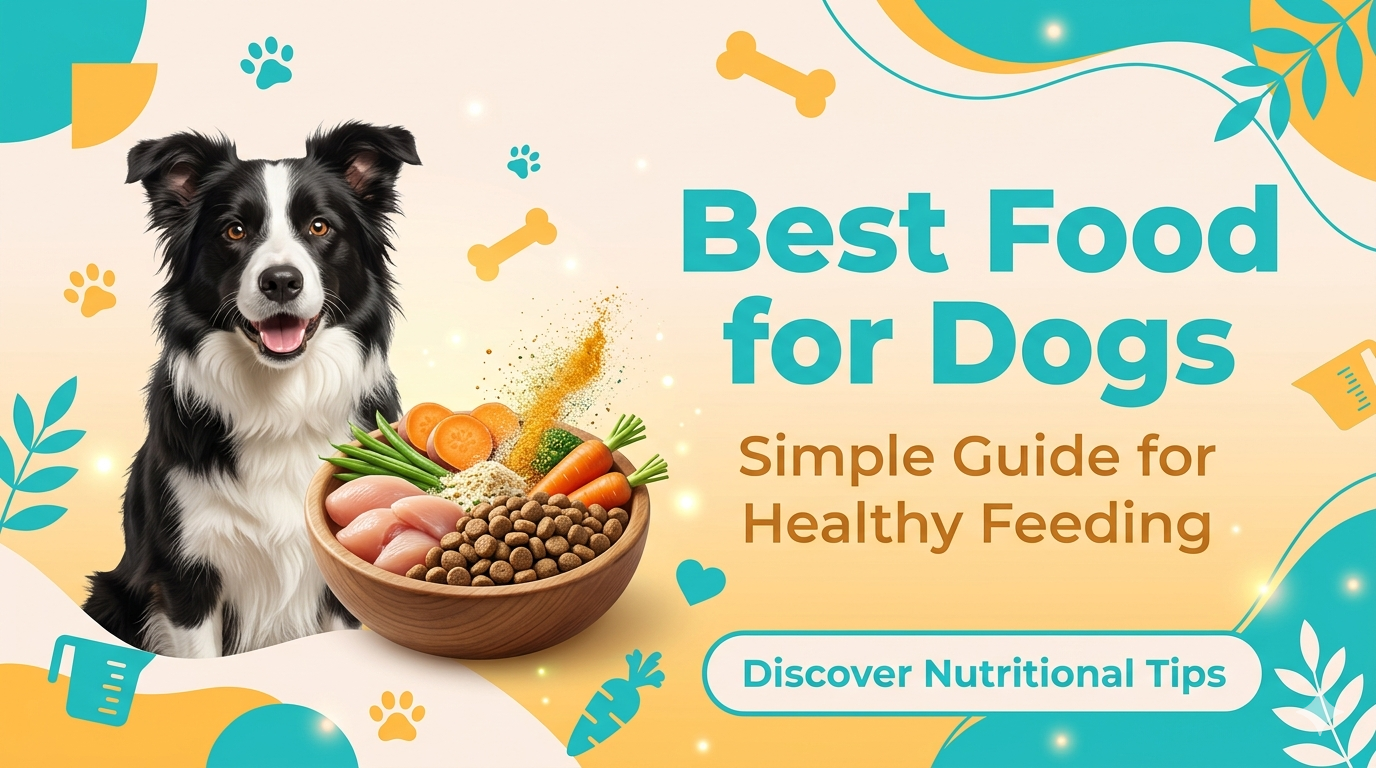
Best food for dogs is the foundation of your pet’s health, energy, and overall well-being. Your dog relies on you for everything, from daily walks to affection, and most importantly, food. What your dog eats every day directly affects how they feel, how they look, and how long they live. A well-fed dog is more energetic, has a healthier coat, better digestion, and needs fewer visits to the vet. On the other hand, poor nutrition can lead to frequent illness, low energy, and faster aging.
The good part is that feeding your dog properly doesn’t have to be expensive or complicated. Once you understand the basics, it becomes simple. This guide walks you through what your dog needs, what to feed, what to avoid, and how to choose the right treats.
What Is the Best Food for Dogs? Essential Nutrients Explained
Dogs need five essential nutrients in their daily diet: protein, fats, carbohydrates, vitamins, and minerals. Missing any of these over time can lead to health issues.
When choosing the best food for dogs, protein is the most important nutrient to consider. The best food for dogs always includes high-quality protein because it helps build and repair muscles, supports the immune system, and keeps vital organs functioning properly. Good protein sources include chicken, lamb, fish, beef, and eggs.
Fats provide energy and help maintain a soft, shiny coat. They also help in absorbing certain vitamins. Omega-3 and Omega-6 fatty acids are especially beneficial, and fish oil is one of the best sources.
Carbohydrates are an important part of the best food for dogs because they provide steady energy throughout the day. Foods like rice, oats, and sweet potatoes are easy to digest and gentle on the stomach. While dogs don’t need large amounts of carbs, the best food for dogs includes a balanced portion to help maintain healthy energy levels.
Vitamins and minerals support overall health, from strong bones to good eyesight and proper nerve function. Most quality commercial dog foods include these, but homemade diets need careful planning to ensure nothing is missing.
Types of Best food for dogs
Dry kibble is one of the most popular options in the best food for dogs. It is convenient, affordable, and easy to store, while its crunchy texture helps reduce plaque on teeth. When selecting kibble, always choose brands where real meat is listed as the first ingredient to ensure your dog gets high-quality nutrition.
Wet food contains more moisture, making it ideal for dogs who don’t drink enough water. It is also easier to chew, especially for older dogs. However, it is more expensive and spoils quickly after opening.
Fresh or homemade meals can be part of the best food for dogs when prepared correctly. When balanced properly, this type of diet can be highly nutritious and beneficial. The best food for dogs in homemade form often includes ingredients like boiled chicken, rice, vegetables, and eggs. However, an unbalanced homemade diet can lead to deficiencies, so consulting a vet is important.
At Doggy Ji, the focus is simple, dogs deserve real food made from quality ingredients, not fillers or artificial additives.
Foods That Are Safe and Good for Dogs
These foods are generally safe and healthy:
• Cooked chicken and turkey (boneless, no seasoning)
• Fish like salmon or sardines
• Eggs (boiled or plain scrambled)
• Rice and oats (plain and well-cooked)
• Carrots (raw or cooked)
• Sweet potatoes (boiled)
• Pumpkin (good for digestion)
• Blueberries and watermelon (seedless, in moderation)
Foods You Must Never Give Your Dog
Some human foods are dangerous for dogs and must be avoided:
• Onions and garlic
• Grapes and raisinsu
• Chocolate
• Xylitol (found in sugar-free products)
• Avocado
• Cooked bones
• Alcohol
• Macadamia nuts
If your dog eats any of these, contact a vet immediately.
How Much Should You Feed Your Dog?
The right amount depends on age, size, breed, and activity level.
• Puppies need more frequent meals (3–4 times daily)
• Two meals a day are sufficient for adult dogs.
• Senior dogs need fewer calories but more joint support
Use feeding guidelines as a base, then adjust based on your dog’s condition.
The Role of Treats in Your Dog’s Diet
Treats are more important than many people realise. Not because they are the main source of nutrition, but because they are given daily, during training, as rewards, or simply out of love. Over time, low-quality treats can add up and affect your dog’s health.
Treats should not exceed 10% of your dog’s total daily calorie intake. The ingredient list is equally important, avoid products with artificial colours, excess sugar, preservatives, or vague meat sources.
Doggy Ji treats are made using real and reliable ingredients. They are created with your dog’s health in mind, not just taste. Whether you are training a puppy, rewarding good behaviour, or just treating your dog, they are a great option. You know exactly what your dog is getting, and it’s something truly good.
A Few Last Things Worth Knowing
Always ensure your dog has access to fresh, clean water at all times, as proper hydration plays a key role in digestion, kidney health, and overall energy levels.
When introducing a new diet, whether it’s a different kibble brand or homemade food, make the change gradually over 7 to 10 days. Start by mixing a small portion of the new food with the current one and slowly increase the amount. Sudden changes can upset your dog’s stomach.
Pay attention to your dog after meals. Signs like bloating, loose stools, vomiting, or itching may indicate that the new food is not suitable.
Final Thought
Feeding your dog well doesn’t have to be expensive or complicated. Choosing the best food for dogs means paying attention to ingredient labels, avoiding harmful foods, and sticking to proper portions. And when it comes to treats, always pick carefully—like the high-quality options from Doggy Ji.
Your dog shows you loyalty every day without expecting anything in return. Feeding them well is one of the easiest and most rewarding ways to care for them in turn.
Frequently Asked Questions (FAQs)
1. What is the best food for dogs to keep them healthy and energetic?
The best food for dogs includes high-quality protein sources like chicken, beef, and fish, balanced fats like omega-3 and omega-6, digestible carbohydrates, and essential vitamins and minerals to support overall health and energy.
2. Can homemade food be a good option for feeding my dog?
Yes, homemade food can be nutritious if properly balanced with the right proteins, carbs, and vegetables. However, it’s important to consult a vet to avoid nutritional deficiencies and ensure your dog’s diet meets all their needs.
3. Are there any foods I should never feed my dog?
Certain human foods like onions, garlic, grapes, chocolate, alcohol, and cooked bones are toxic to dogs and must be avoided to prevent serious health issues.
4. How much food should I feed my dog daily?
The amount depends on your dog’s age, size, breed, and activity level. Puppies need more frequent meals, adults usually thrive on two meals per day, and senior dogs require fewer calories but more joint support.
5. What role do treats play in my dog’s diet?
Treats should make up no more than 10% of your dog’s daily calorie intake. Choosing high-quality, natural treats without artificial additives supports training and rewards without compromising your dog’s health.