
Best Puppy Food: A Complete Guide for New Pet Parents
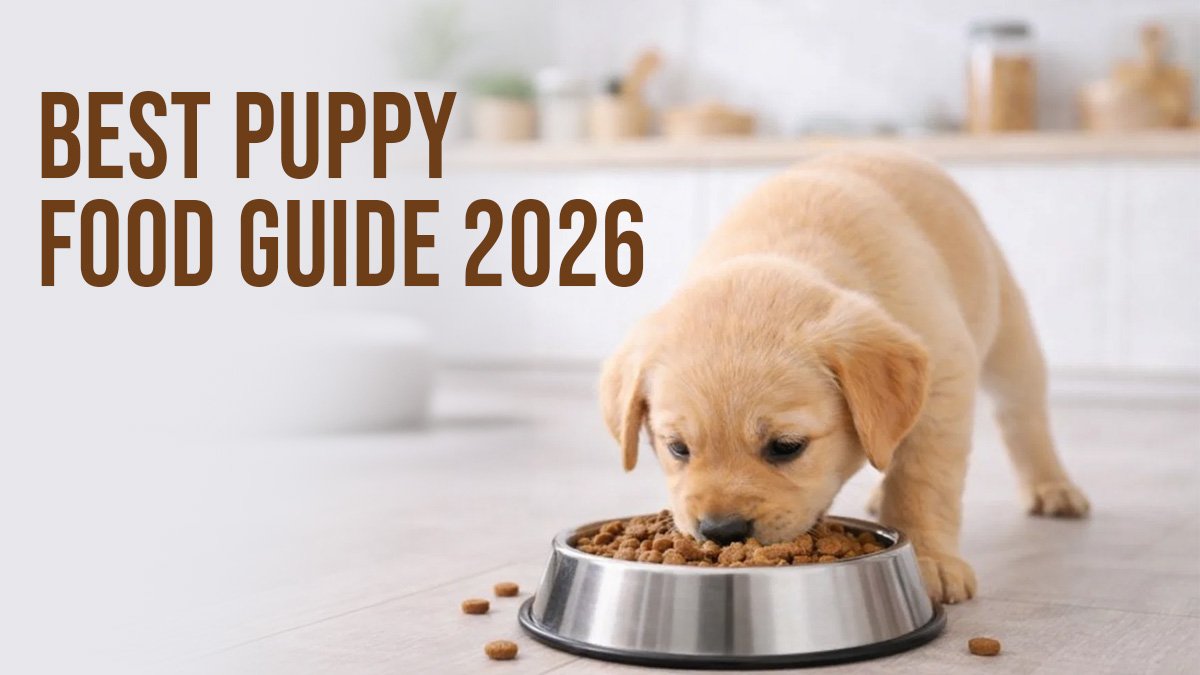
Best puppy food is one of the most important decisions you’ll make when bringing your new puppy home. Puppies grow rapidly, so they need the right balance of nutrients to support strong bones, healthy organs, and overall development.
This guide simplifies the basics of puppy nutrition, helping you find the best puppy food to give your little one the best possible start.
Why Best Puppy Food is Different
You might wonder if you can just feed a puppy regular dog food. The answer is that puppies need more of almost everything. That’s why choosing the best puppy food matters—high-quality puppy formulas are designed with:
Higher Protein: To build muscle and tissues.
Essential Fats: Including DHA, an Omega-3 fatty acid found in mother’s milk that supports brain and eye development.
Minerals: Correct levels of calcium and phosphorus are vital so their bones grow at the right speed.
What to Look For on the Label
When browsing the pet food aisle, the ingredient list is your best friend when choosing the best puppy food. Look for these signs of quality
Real Meat First: The first ingredient should be a specific protein like chicken, lamb, or fish, rather than a vague term like “meat meal.”
Whole Grains or Veggies: Ingredients like brown rice, sweet potato, or peas provide steady energy and healthy fiber.
AAFCO Statement: Look for a note saying the food is “complete and balanced” for growth or “all life stages.”
Feeding Schedules and Portions
Puppies have tiny stomachs but burning engines. Instead of one large meal, they do best with several small sittings.
Under 3 Months: 4 meals a day.
3 to 6 Months: 3 meals a day.
6 to 12 Months: 2 meals a day.
Always use a measuring cup rather than guessing. Overfeeding can lead to joint problems later in life, especially for larger breeds. If you can easily feel their ribs but not see them, they are likely at a healthy weight.
Dry Kibble vs. Wet Food
Both have benefits. Dry kibble is great for dental health because the crunching helps reduce plaque. Wet food is often more flavorful and provides extra hydration, which is helpful if your pup is a picky drinker. Many pet parents choose to mix the two for a “best of both worlds” approach.
The Role of Community Care
If you are involved with local initiatives like Doggy Ji, you know that nutrition is the foundation for any dog’s survival and happiness. For puppies living on the street or in shelters, consistent access to “growth-formula” food can be life-saving. Since their environments are tougher, their bodies need those extra calories and vitamins even more to fight off infections.
Ingredients to Avoid
Keep an eye out for “fillers” and chemicals that add no value. Avoid foods that list:
Artificial colors or dyes.
Chemical preservatives like BHA or BHT.
High amounts of corn syrup or sugar.
Transitioning Foods
If you decide to change your puppy’s brand, do it slowly over 7 to 10 days. Mix a little of the new food into the old food, gradually increasing the ratio. This prevents the “tummy upsets” that puppies are so prone to during changes.
Final Thoughts
Choosing the right food is one of the best ways to show love to your new companion. By focusing on high-quality proteins and a steady routine, you are setting them up for a long, healthy life. Whether they are a tiny toy breed or a future giant, choosing the best puppy food helps ensure a full belly, a balanced diet, and a very happy pup.
Frequently Asked Questions (FAQs)
1. What is the best puppy food for healthy growth?
The best puppy food is one that provides balanced nutrition with high-quality protein, essential fats like DHA, and the right levels of calcium and phosphorus to support healthy growth and development.
2. Can I feed my puppy regular dog food instead of the best puppy food?
No, regular dog food does not meet the nutritional needs of growing puppies. The puppy food is specially formulated to support their rapid growth and higher energy requirements.
3. How often should I feed my puppy the best puppy food?
Puppies should be fed multiple times a day depending on their age. The puppy food should be given in 3–4 small meals for younger puppies and gradually reduced to 2 meals as they grow.
4. Is dry or wet food better when choosing the best puppy food?
Both options can be part of the best puppy food plan. Dry food helps with dental health, while wet food adds hydration and taste. Many owners combine both for balanced benefits.
5. How do I switch to a new brand of the best puppy food?
When transitioning to a new best puppy food, do it gradually over 7–10 days by mixing the new food with the old one to avoid digestive issues.