
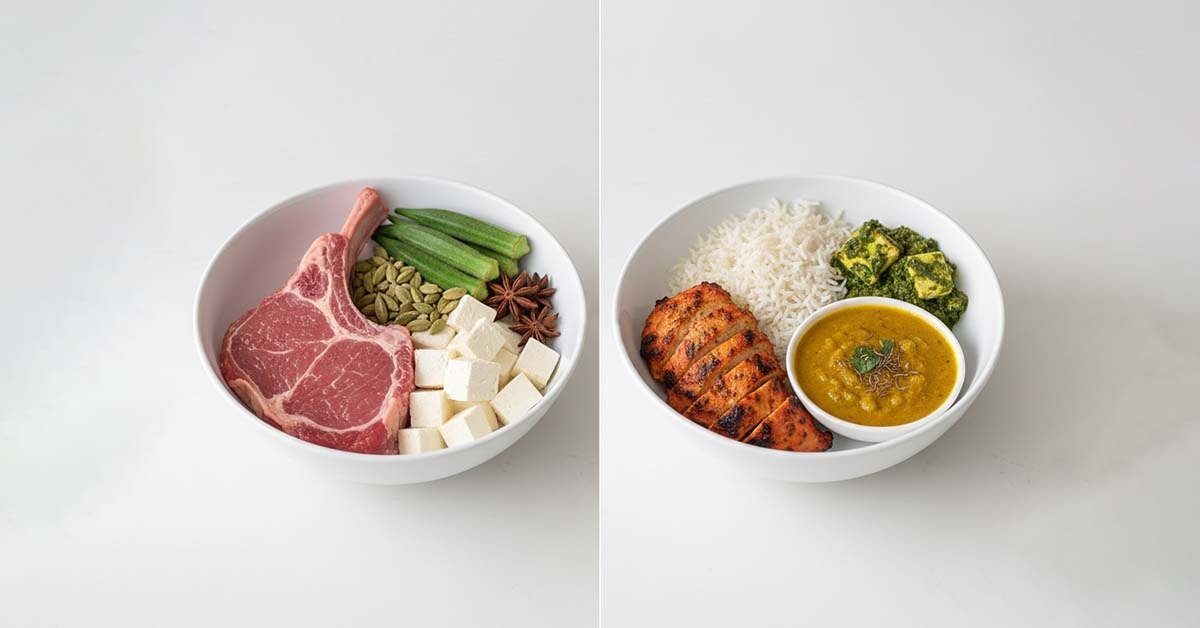
An increasing number of cat parents in India are now shying away from commercial kibbles and switching over to fresher, wholesome alternatives. This commonly results in a debate: the raw cat food vs cooked cat food. Raw meat’s ancestral appeal is clearly a draw, but for many, there are safety concerns that make cooked food a better option that can feel like a reasonable middle ground for people who want nothing less than the best for their furry friends.
The Risks of Raw Feeding
There are just a lot of biological reasons why raw meat can be a big gamble, especially in warmer climates where bacteria proliferate. Even human-grade meat can harbour pathogens that are harmful to pets and people alike.
• Bacterial Contaminants: Raw poultry and beef can be contaminated by chemicals. These are not simply dangerous for the cat: they can promote shedding, where it is easy for the cat to pass bacteria into the home environment, posing a potential threat to human health.
• Parasites: Raw meat may have toxoplasmosis or various worms if not handled or frozen with extreme care.
• Nutritional Imbalance: Handing a cat a piece of raw chicken is not considered to be a balanced meal. Without having the balance of food and calcium they will get some serious bone and organ problems over time.
Why Choose Cooked Cat Food?
The cooked cat food provides the nutritional benefits of fresh food while eliminating the factor from foodborne disease. More often than not, this is the pragmatic option for animal parents in urban places.
- Pathogen Elimination
If you cook the meat to the proper internal temperature, that will kill harmful bacteria and parasites. That’s a big consideration for cat food safety in India, where the cold chain for meat transportation, from the butcher to your refrigerator, isn’t always perfectly preserved. Cooking offers that extra level of protection. - Easier Digestion
When it’s lightly steamed or boiled the meat has tough connective tissues broken down. This dramatically improves the digestibility and nutritional value of the food in a form that is easier to digest for older/senior cats or those with sensitive stomachs. - High Palatability
Cats are driven by scent. Lots of cats like the smell and feel of warm food due to the cooked texture of meat compared to cold food. This is especially beneficial for a fussy eater who may refuse a raw diet.
The Foundation of a Balanced Cat Diet
It’s not just a matter of boiling a chicken breast when adopting a homemade diet. Cats are obligate carnivores, or animals whose bodies have a very specific biological need for the nutrients found only in animal tissue.
The Role of Taurine
This is an essential amino acid that supports cardiovascular and ocular health. Taurine is present in large quantities in darker meats, such as chicken thighs and hearts. Because taurine levels can drop a bit when cooked, here’s an excellent homemade cat food trick: Use the water you cook with (the broth) in your serving, as taurine frequently leaches into the liquid.
The Calcium Gap
Meat is naturally rich in phosphorus, but the content of calcium is exceedingly low. In the wild, cats will take in calcium by consuming small bones. In a cooked diet, you’ll want to include a calcium source, like food-grade eggshell powder or a vet-approved supplement, to protect against the risk of metabolic bone disease.
Ingredients to Avoid
Never use seasonings like onions, garlic or grapes and bland salt. They are present in human meals but they’re very poisonous to cats. A cat’s food seems bland to a human but tasty to a feline.
How to Transition Safely
If switching from kibble to a home-cooked diet, make the change gradually. Diarrhea or vomiting may occur if there is a sudden change.
- Day 1-3: 25% new food, 75% old food.
- Days 4-6: 50% of the food is cooked, the rest is old.
- Day 7-9: Cooked food to the extent of 75% and old food 25%.
- Day 10: 100% cooked food.
Final Verdict
Although raw food has its proponents, the safety record of a cooked cat food diet is far superior. It has the high protein and hydration needed for cats without a high risk of infection or cross-contamination from other foods prepared in the kitchen.
Always review the overall diet with a veterinary nutritionist before making any extensive changes to make sure your recipe meets all of your cat’s particular needs.