
Are Lickable Treats Healthy for Cats? What Pet Parents Should Know
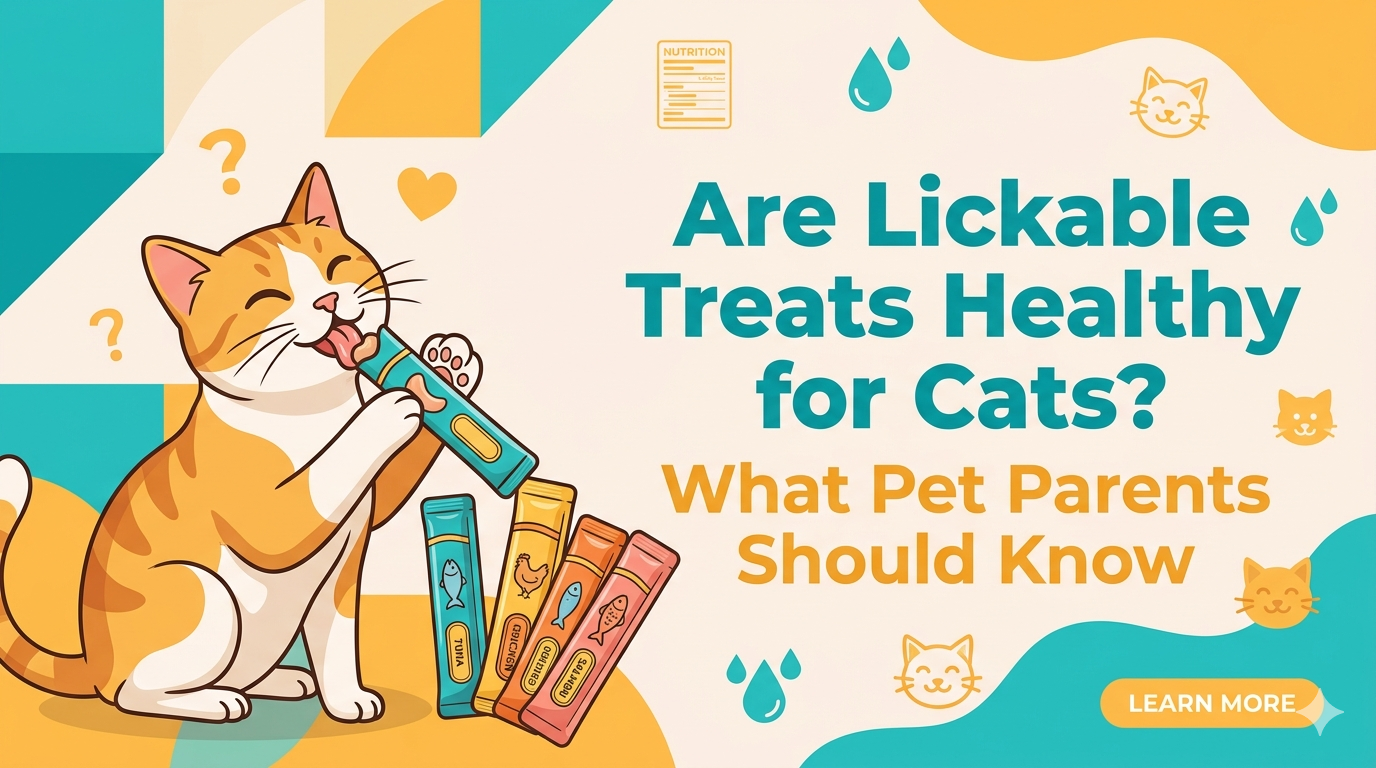
Lickable cat treats have taken over social media recently. If you’ve been scrolling online, you’ve probably seen the buzz about those colourful plastic sachets that make cats stare with unblinking intensity, lapping up a creamy puree like it’s the finest caviar on earth.
But lickable cat treats, sometimes referred to as liquid treats for cats, aren’t a trend. Yet they’ve altered the way we connect with our pets in a foundational way. But are they actually healthy? Or are they simply the cat version of a sweet milkshake?
So let’s get into what pet parents really need to understand about these squeezable snacks.
What Are Lickable Treats for Cats?
Wet Lickable cat treats, in contrast to the crunchy kibble-style formulas that have been around for decades, are pureed liquid-rich snacks. They typically come in tubes or small pouches with a consistency that falls somewhere between thick soup and mousse.
The ingredient list is usually short: a protein source (tuna, chicken, or scallops), water, and a thickening agent such as guar gum or tapioca starch. Aromatic as they are and easy to eat, they’re the holy grail when it comes to treats for picky cats.
The Benefits: The Reason Your Cat Is Obsessed
These Lickable cat treats are a winner not just for taste. They do come with a few real benefits from a nutritional and behavioural standpoint:
- The Ultimate Hydration Hack
Cats are known to have naturally lower thirst drives. In nature, they derive the bulk of their moisture from prey. Indoor cats are often mildly dehydrated, which can lead to kidney issues later on. Adding hydrating food for kitties as well (even treats) is a clever way to sneak some extra moisture into their meals. - Perfect for “Picky Eaters”
If you have a cat who turns up his or her nose at everything, lickable cat treats are often the exception. Many cats refuse regular food, but lickable cat treats stand out because their high moisture content helps carry the scent of protein much better than dry food. This makes lickable cat treats especially irresistible to senior cats or those with a reduced sense of smell. For picky eaters, lickable cat treats can be a game-changer, encouraging eating without stress while still being gentle on digestion. - Stress-Free Bonding and Training
Because the cat has to remain in one location to lick the treat off the tube, it provides a forced connection moment. This work wonders for:
- Keeping a cat entertained during nail trims.
- Luring a skittish cat out of hiding.
- Reinforcing good behaviour in clicker training.
- The “Medicine Masker”
Anyone who has attempted to pill a cat knows the challenge. Most lickable cat treats are also thick enough to conceal a crushed-up pill or a dose of liquid medication, transforming what could be a traumatic experience into one that is tasty.
The Catch: A Guide to Cat Snack Nutrition
We must check the cat snack nutrition labels as well. Are they a complete and balanced meal? Absolutely not.
Most liquid treats have very low calorie counts, typically between 6 and 10 calories per tube. That’s great for keeping weight down, but they don’t contain the vitamins, minerals and taurine that cats need to thrive. If you substituted a meal with these, your cat would be malnourished very quickly.
Are There Any Risks?
For the average healthy cat, these treats are quite safe. However, there are a few cat feeding tips you should pay attention to:
- Check the Sodium: Some brands do add salt to make up for a lack of flavour. Look for ones with no added salt or a low sodium content, particularly if your cat has heart or kidney issues.
- Examine the Thickeners: Most cats do fine with gums (such as xanthan or guar), but if your cat has an exceptionally sensitive stomach, they could have soft stools when consuming too many.
- The Plastic Hazard: Don’t ever leave your cat alone with a used tube. Cats are enthusiastic chewers, and eating bits of plastic packaging can result in a trip to the emergency vet.
How to Serve Lickable Treats
You don’t simply have to squirt it right into their mouth (although that is the most delightful). Here are some ideas for how to get creative with them:
- The Topper: A tube of squeezable food you put over their regular dry kibble to entice them if they’re being picky.
- Popsicle: On hot summer days, freeze a tube for several hours. It also makes for a great catsicle to help them cool off.
- The Lick Mat: Get a plastic lick mat with ridges and bumps to spread the treat onto. This slows scarf and barf eaters down and offers some mental stimulation.
The Decision: Are They Worth Buying?
We have learned that the best products for pets are those that also help their owners live better lives. Lickable cat treats do just that. They offer a crucial hit of moisture, facilitate vet-required tasks and deepen the connection between you and your furry companion.
As long as you think of them more as a supplement, and not a meal replacement, and read the ingredient list closely, they are an excellent addition to your pantry.
Frequently Asked Questions (FAQs)
1. Are lickable cat treats good for digestion?
Yes, lickable cat treats can support digestion when made with high-quality, easily digestible ingredients. Many contain moisture and nutrients that help improve gut health.
2. Do lickable cat treats help with hydration?
Absolutely! Lickable cat treats have high moisture content, making them a great way to keep cats hydrated—especially for cats that don’t drink enough water.
3. How often should I give my cat lickable treats?
Lickable treats should be given in moderation, usually once a day or a few times a week, depending on your cat’s diet and nutritional needs.
4. Are lickable cat treats safe for all cats?
Most lickable treats are safe, but always check ingredients and consult a vet if your cat has allergies, sensitivities, or specific health conditions.
5. What should I look for in the best lickable cat treats?
Choose treats with natural ingredients, high moisture content, no artificial additives, and added nutrients that support digestion and overall health.